Greenie Get the app
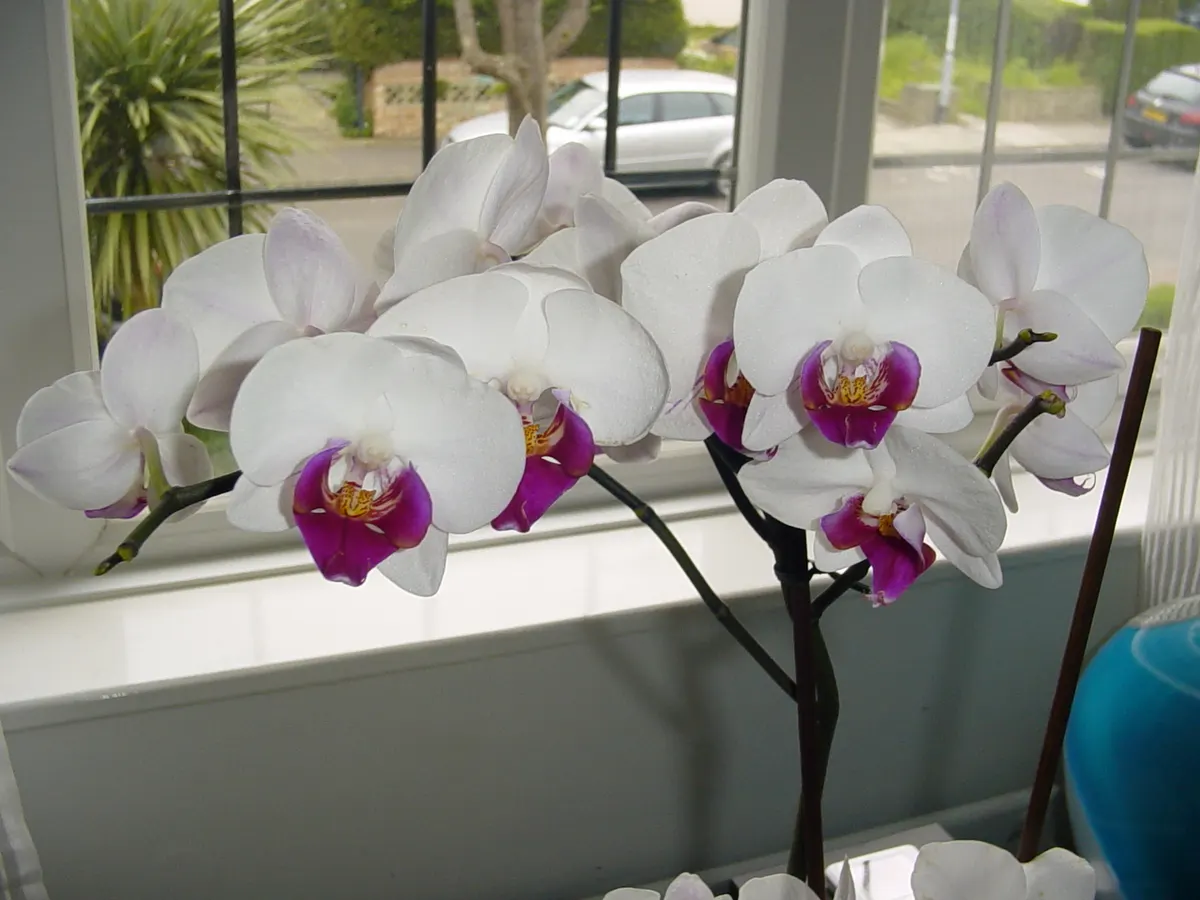
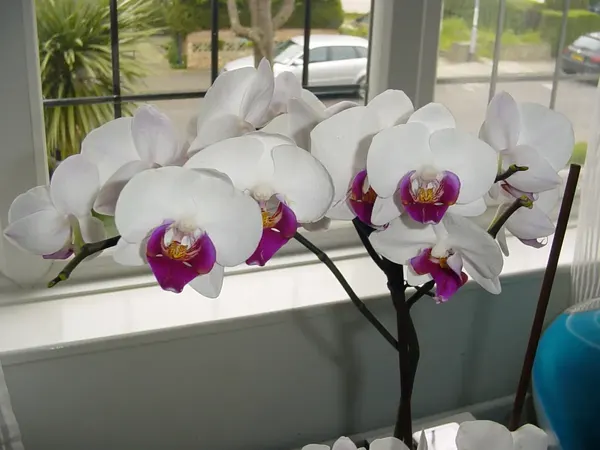
No new flowers · Moth orchid
Why won't my orchid bloom again?
A healthy moth orchid that will not rebloom is usually missing one of two things: enough light, or a spell of cooler nights. Move it to a bright east-facing window without strong direct sun, and in autumn give it a few weeks of nights of about 13 to 15 °C, roughly 5 °C cooler than usual; a new flower spike usually follows. Keep watering and feeding normally while you wait, since a well-cared-for plant typically flowers about once a year.
Check these first
-
Count the time since it last flowered. Moth orchids usually rebloom about once a year, so a plant that finished flowering a few months ago may simply not be ready yet.
-
Look at the leaf colour. Very dark green leaves are a sign the plant is not getting enough light.
-
Think about night temperatures. If the room stays equally warm day and night all year, the plant may not be getting the cue to flower.
-
Tip the plant out of its pot and check the roots. Sound roots are thick, firm and pale silver or green; brown, mushy, hollow or shriveled roots mean the plant cannot support flowers.
-
Check the potting bark. If it is older than about two years, it has likely broken down and is holding too much water.
-
Review the feeding: none at all, or fertilizer at every watering without flushing, can both hold back flowering.
Causes and fixes
-
Not enough light
How to tellLeaves are very dark green and the plant sits far from a window or in a dim room.
What to doMove it to an east-facing windowsill, or a west or south one shaded by a sheer curtain. It needs bright light, especially in winter, but no strong direct sun in summer, which scorches the leaves.
-
No drop in night temperature
How to tellThe plant is healthy and growing leaves and roots, but the room stays warm around the clock, close to a radiator or in a heated home all autumn.
What to doIn autumn, move it for a few weeks to a spot where nights fall to about 13 to 15 °C, roughly 5 °C below its usual temperature, such as a cooler room. Do not let it drop below 13 °C, and keep it away from drafts. A new spike usually appears from the base or a node on the old stem.
-
Weak or rotting roots
How to tellFew firm roots, many brown, mushy or hollow ones, limp or wrinkled leaves, and bark that stays wet or has turned to fine mulch.
What to doRepot in fresh, coarse orchid bark, never ordinary potting soil, after cutting off dead roots. Use a pot just big enough for the roots. Water by soaking the bark in the morning and letting it drain fully, then wait until the pot feels light. Give it a season of steady growth before expecting flowers.
-
Feeding too little or too much
How to tellSlow growth on a plant that has never been fed, or a white crust building up on the bark when it is fed at every watering.
What to doIn spring and summer feed every two weeks with a balanced orchid fertilizer at half strength, applied after watering. Flush the pot with plain water once a month to wash out salts, and feed sparingly if at all in winter.
-
Spike cut back hard
How to tellThe old flower stem was cut off at the base and the plant is putting its energy into leaves.
What to doThis is normal: the plant rests and blooms again later, often with a stronger spike. Next time, if the plant is vigorous, cut the faded stem just above a node below the lowest flower to get a quicker side branch of flowers.
Stop it coming back
-
Keep it in bright light without strong direct sun, especially through winter.
-
Let nights cool a little in autumn instead of keeping it warm around the clock.
-
Repot in fresh orchid bark every two years, after flowering.
-
Feed lightly while it grows and flush the pot once a month.
-
Water in the morning, let it drain completely and keep water out of the crown.
When to worry
When to worry
Going many months without flowers is normal after a bloom, and a plant still growing healthy leaves and firm roots will rebloom once it gets the light and cool nights it needs. If a spike forms but the buds yellow and drop before opening, that is bud blast from a move, a draft or a sudden temperature change: leave the plant in one place and water on a steady routine. Worry when leaves go soft, yellow or black at the base, or most roots are brown and mushy. That is root or crown rot: cut away the rotten parts, repot in fresh bark and keep water out of the crown. Flowering will wait until the plant has grown new roots and leaves.