Greenie Get the app
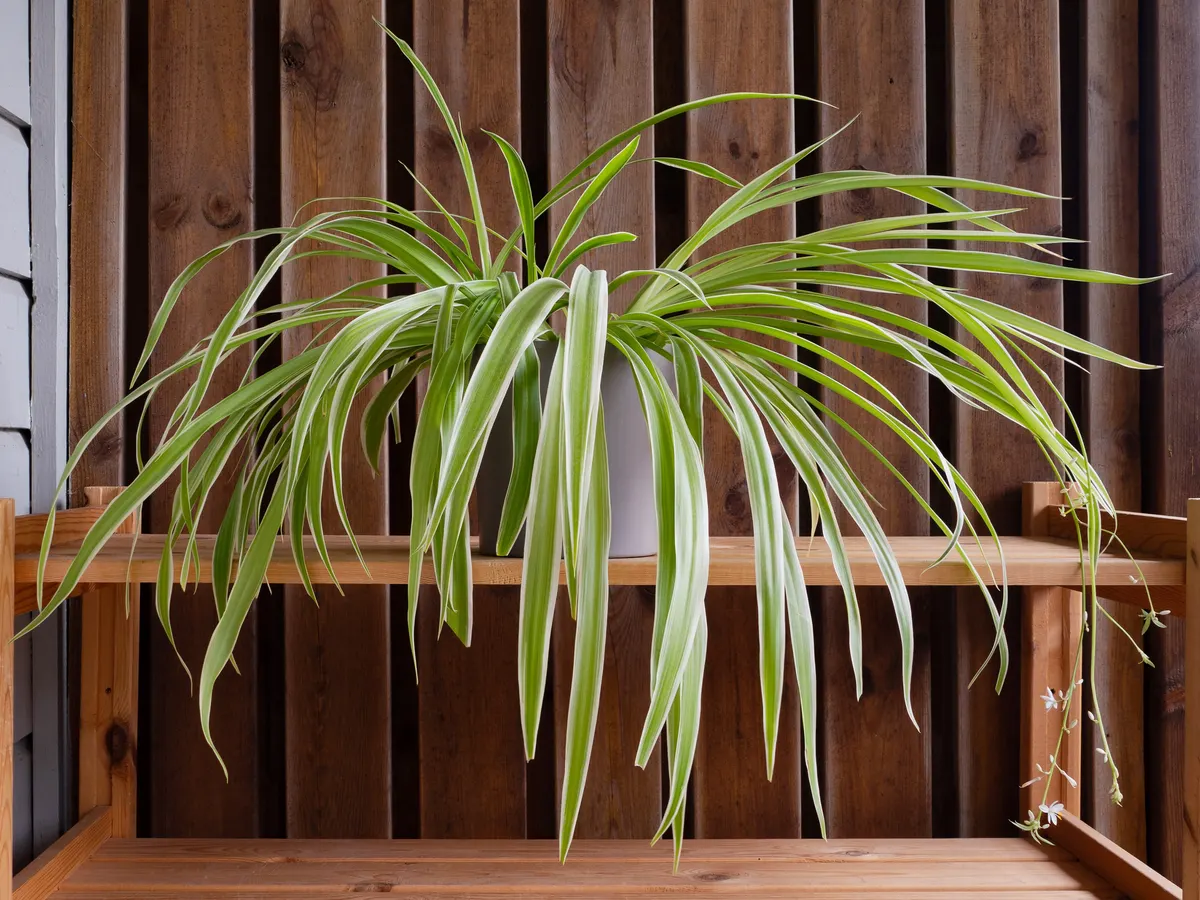
Brown leaf tips · Spider plant
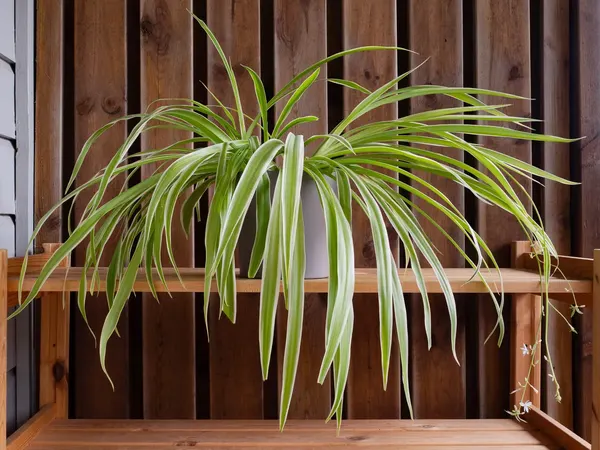
Why does my spider plant have brown tips?
Brown tips on a spider plant have a few common causes that often work together: fluoride, chlorine and salts from tap water or fertilizer, soil that dries out completely, and dry indoor air. Switch to rainwater or distilled water, flush the pot now and then, feed lightly, water as soon as the top of the soil has dried, and raise the humidity in winter.
Check these first
-
Look at where the brown is: browning confined to the very ends of the leaves points to water quality, salts or dry air, while pale or brown patches in the middle of leaves facing a window point to sun scald.
-
Push a finger into the soil. If it is dry well below the surface and the pot feels light, the plant has been running dry between waterings.
-
Check the soil surface and the pot rim for a white or yellowish crust, a sign that fertilizer and tap-water salts are building up.
-
Think about the air: brown tips that appear in winter, near a radiator or heating vent, suggest low humidity.
-
If the soil is wet and the browning comes with yellowing leaves and a soft base, ease the plant out of its pot and look for dark, mushy roots.
Causes and fixes
-
Fluoride, chlorine and salts in tap water
How to tellOnly the tips brown, on old and new leaves alike, even though you water on a regular routine and the plant otherwise grows well.
What to doWater with rainwater or distilled water from now on. Every so often, run plenty of water through the pot and let it drain fully to wash out what has built up. Trim off the brown ends with clean scissors if they bother you; they will not turn green again.
-
Too much fertilizer
How to tellA crust on the soil or pot rim, tips browning soon after feeding, and fewer plantlets than usual.
What to doStop feeding and flush the pot with plenty of water. From then on feed only in spring and summer, about every 6 to 8 weeks, with a water-soluble houseplant fertilizer. Spider plants store food in their thick roots and need little extra.
-
Soil drying out completely
How to tellThe soil is dry deep down, the leaves look limp or dull, and the browning appeared after a stretch of missed waterings or hot weather.
What to doSoak the pot thoroughly and let the excess drain. Water again once the top of the soil has dried briefly, which is about weekly in spring and summer and every two weeks in winter.
-
Dry indoor air
How to tellTips brown mostly in winter or when the plant sits near a heater or air vent, while the soil is moist and there is no crust on it.
What to doMove it away from heat sources and raise the humidity with a humidifier or a tray of wet pebbles under the pot, keeping the pot base above the water line. Grouping plants together also helps.
-
Direct midday sun
How to tellPale, bleached or brown patches across the leaf blades, worst on the side facing the window, not only at the tips.
What to doMove the plant a little back from the window so it gets bright light without direct midday sun. Cut off badly scorched leaves at the base.
Stop it coming back
-
Use rainwater or distilled water instead of tap water.
-
Flush the pot with plenty of water now and then so salts do not build up.
-
Feed only in spring and summer, and lightly.
-
Water when the top of the soil has dried briefly, and less in winter.
-
Keep it in bright light out of midday sun and away from heaters.
When to worry
When to worry
A few brown tips are normal; even well-grown spider plants get them, and they are cosmetic. Trim them and fix the water source, and new leaves should come in clean. Worry when whole leaves turn yellow and then brown, the base of the plant feels soft and the soil stays wet: that is root rot. Unpot it, cut away dark, mushy roots, repot into fresh, fast-draining mix and water only once the top of the soil has dried. If the crown has rotted, root a few healthy plantlets in moist mix to start again.