Greenie Get the app
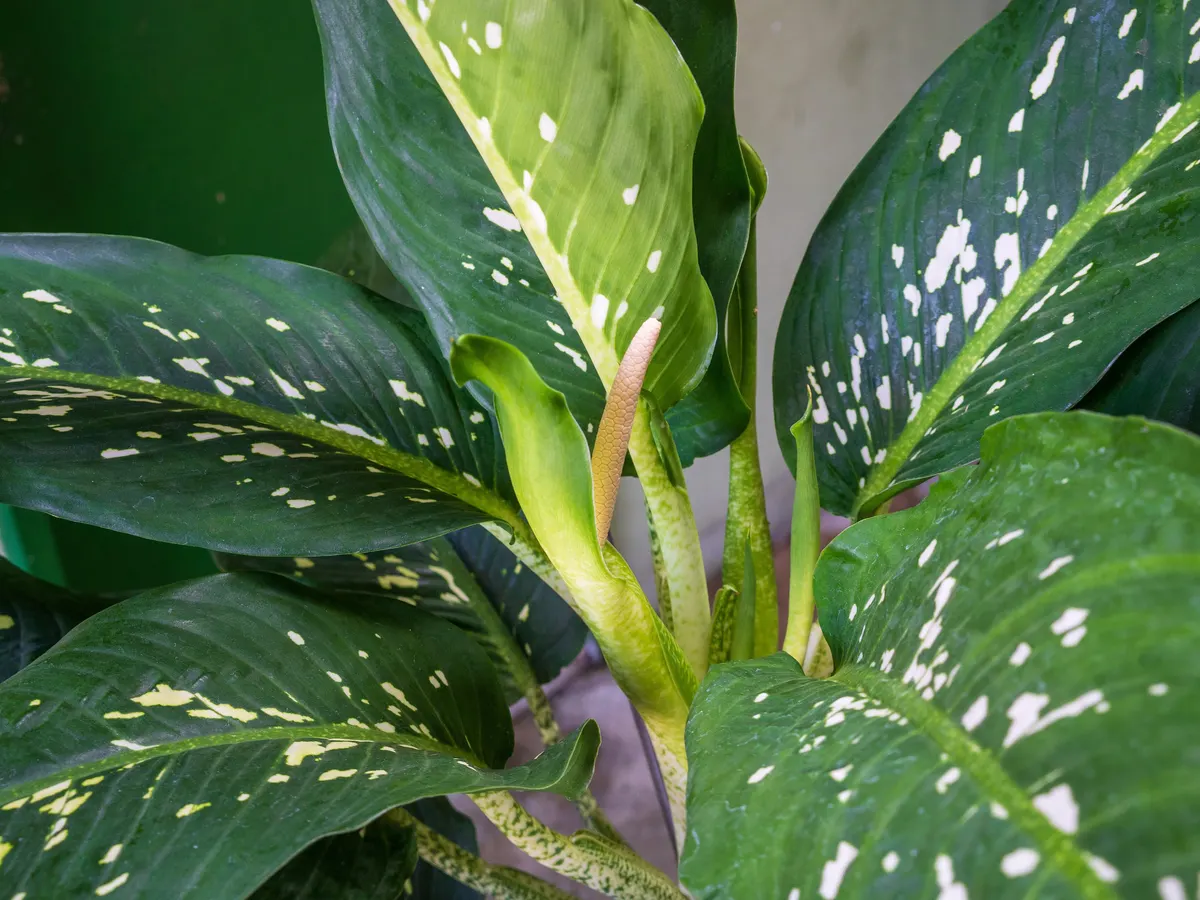
Dieffenbachia care
Dieffenbachia seguine · Araceae
Also called Dumb cane, Spotted dumb cane.
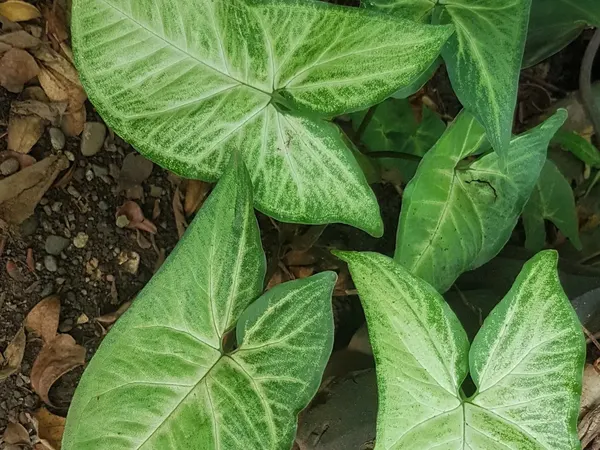
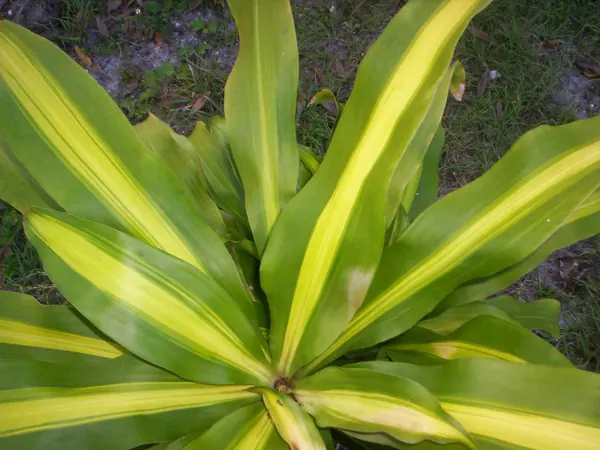
An upright aroid from the Caribbean and northern South America with large, glossy leaves splashed with cream, white or yellow. It grows on a thick cane-like stem that becomes visible as lower leaves drop. Easy to keep in bright, indirect light, but its sap is poisonous and irritates skin.
Light
Bright IndirectWatering
WeeklyDifficulty
EasyPets
Toxic to cats and dogsHeight indoors
0.9-2.4 m
GrowthUnconfirmed
Moderate
Temperature
18-27 °C
Not below 15 °C
Humidity
50% - 70%
Likes humid air
Soil pH
5.5-6.5
Slightly acidic soil
Native to
- Brazil
- Bolivia
- Peru
- Ecuador
- Colombia
- Venezuela
- Guyana
- Suriname
- French Guiana
- Trinidad & Tobago
- Cuba
- Cayman Islands
- Jamaica
- Haiti
- Dominican Republic
- Puerto Rico
- Antigua & Barbuda
- St. Kitts & Nevis
- Anguilla
- Montserrat
- Guadeloupe
- British Virgin Islands
- U.S. Virgin Islands
- Dominica
- Martinique
- St. Lucia
- St. Vincent & Grenadines
- Grenada
- Barbados
- Aruba
- Curaçao
- Caribbean Netherlands
Through the year
Water thoroughly, then let the top 2 to 3 cm dry before the next watering; water less from autumn to late winter.
-
Spring
WeeklyRepot if rootbound and cut back leggy canes.
-
Summer
WeeklyWater regularly and keep it out of direct sun.
-
Autumn
Every 2 weeksStop fertilizing and let the soil dry a little more.
-
Winter
Every 2 weeksKeep it away from cold drafts and water sparingly.
Feeding
Every 4 weeks in spring and summer. Balanced liquid fertilizer at half strength. Do not feed in winter.
Care tips
-
Wear gloves
Handle it with gloves and wash your hands after pruning; the sap irritates skin and eyes.
-
Keep it out of reach
Place it where children and pets cannot chew the leaves.
-
Rotate the pot
Turn it every few weeks so it grows straight.
-
Propagate from cane
Pieces of stem with a node root in moist mix or water.
Common problems
-
Yellowing lower leaves
What you seeBottom leaves turn yellow while the soil stays wet.
What to doLet the top of the soil dry before watering and check the pot drains freely.
-
Spider mites
What you seeFine webbing and pale speckles under the leaves.
What to doWipe and shower the leaves and treat with insecticidal soap until no mites remain.
-
Bare, leggy cane
What you seeThe stem grows tall with leaves only at the top.
What to doCut the cane back in spring; the stump resprouts and the top can be rooted as a cutting.
Pets
Is dieffenbachia safe for cats and dogs?
Toxic to cats and dogs. Contains insoluble calcium oxalate crystals and a protein-digesting enzyme; chewing causes intense mouth burning, drooling, vomiting and difficulty swallowing.
Good to know
-
The name dumb cane refers to the sap, which can numb and swell the mouth and throat and make speaking hard.
-
The genus honours J. F. Dieffenbach, head gardener at the Schönbrunn palace in Vienna in the 1830s.