 Greenie Get the app

Echeveria care
Echeveria elegans · Crassulaceae
Also called Mexican snowball, Mexican gem, Hens and chickens.
A small, stemless succulent from Mexico that forms tight rosettes of pale blue-grey leaves covered in a waxy bloom. It spreads by offsets into a low clump. It needs strong light to keep its compact shape and colour.
Light
Full SunWatering
Every 2 weeksDifficulty
EasyPets
Non-toxic to cats and dogsHeight indoors
5-10 cm
Growth
Slow
TemperatureUnconfirmed
15-27 °C
Not below 5 °C
HumidityUnconfirmed
30% - 50%
Fine in dry rooms
Soil pH
6.0-7.0
Slightly acidic soil
Native to
- Mexico
Through the year
Water the soil, not the rosette, and only when the mix is completely dry; in winter, about once a month.
-
Spring
Every 2 weeksGrowth picks up: water when dry and repot crowded clumps.
-
Summer
Every 2 weeksGive it full light; water when dry, more often in hot weather.
-
Autumn
MonthlyWater less as days shorten.
-
Winter
MonthlyKeep it bright and cool and almost dry; flower stalks may appear late in the season.
Feeding
2 or 3 times a year in spring and summer. Balanced liquid fertilizer at half strength during active growth only.
Care tips
-
Do not wipe the leaves
The powdery coating protects the leaves from sun, and fingers leave marks on it.
-
Use a shallow pot
A wide, shallow pot with gritty cactus mix suits its small root system.
-
Propagate from pups or leaves
In spring, separate an offset or twist off a whole leaf, let it callus and set it on dry mix.
-
Clear dead lower leaves
Dry leaves under the rosette hold moisture and hide pests.
Common problems
-
Stretching
What you seeThe rosette opens up and the stem grows tall with gaps between the leaves.
What to doMove it to a sunnier window; you can cut off the stretched rosette, let it dry and re-root it.
-
Rot
What you seeLeaves turn black or mushy from the centre or the base.
What to doRemove the damaged parts, let the plant dry out and water less often in a free-draining mix.
-
Mealybugs
What you seeWhite fluff deep between the leaves or on the roots.
What to doTreat with rubbing alcohol on a swab; if the plant keeps declining, check the root ball as well.
Pets
Is echeveria safe for cats and dogs?
Non-toxic to cats and dogs. Listed by the ASPCA as non-toxic to cats and dogs, under the name hens and chickens.
Good to know
-
Its small coral-pink bells, yellow at the tips, dangle from a curved stalk.
-
A single leaf laid on dry soil can grow into a new rosette.
-
It holds the RHS Award of Garden Merit.
Similar plants
-
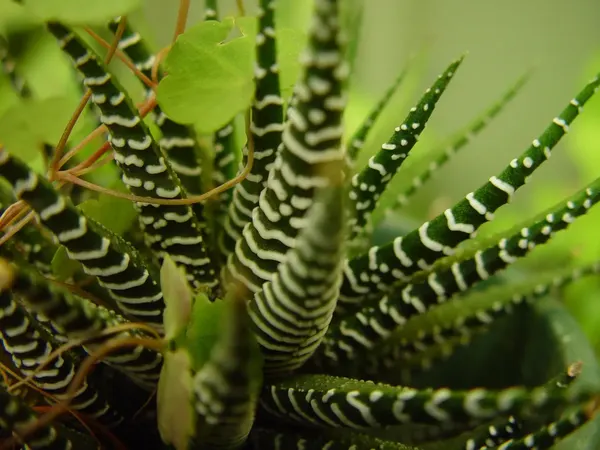 Succulents & cacti Zebra haworthia Haworthiopsis attenuata Bright Indirect Every 2 weeks
-
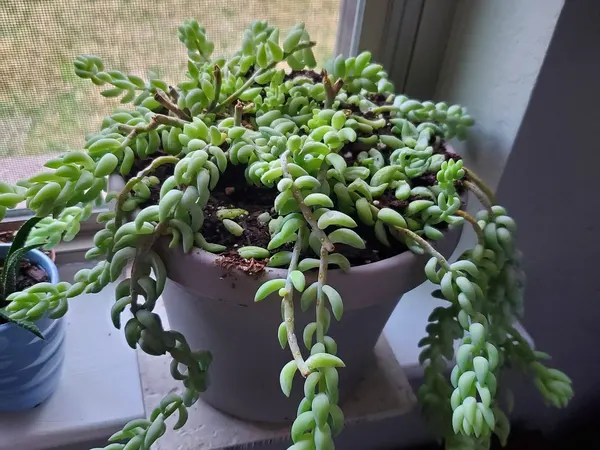 Succulents & cacti Burro's tail Sedum morganianum Partial Sun Every 2 weeks
-
Succulents & cacti String of hearts Ceropegia woodii Bright Indirect Every 2 weeks
-
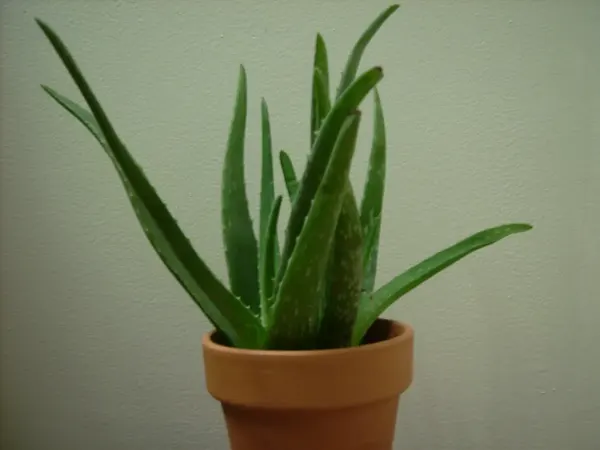 Succulents & cacti Aloe vera Aloe vera Full Sun Every 2 weeks