Greenie Get the app

Satin pothos care
Scindapsus pictus · Araceae
Also called Silk pothos, Silver pothos.
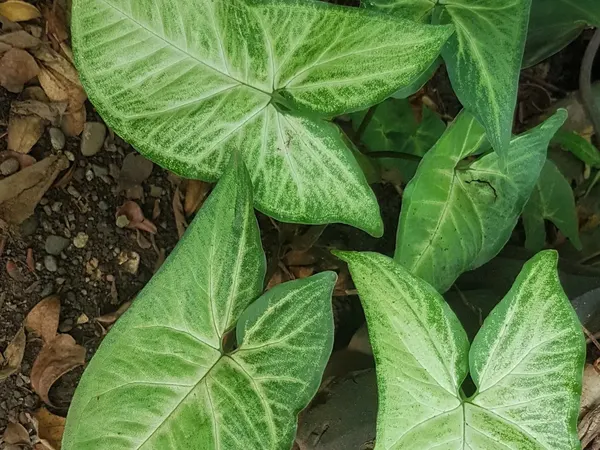
A slow-growing climbing aroid from Southeast Asia with matte, heart-shaped leaves splashed with silver. It is not a true pothos, though it is grown the same way, trailing from a shelf or climbing a moss pole. It is less forgiving of wet soil than pothos.
Light
Bright IndirectWatering
WeeklyDifficulty
MediumPets
Toxic to cats and dogsHeight indoors
0.5-0.9 m
Growth
Slow
Temperature
18-29 °C
Not below 16 °C
HumidityUnconfirmed
40% - 60%
Average room humidity
Soil pHUnconfirmed
5.5-6.5
Slightly acidic soil
Native to
- Bangladesh
- Brunei
- Indonesia
- Malaysia
- Philippines
- Thailand
Through the year
Keep the soil lightly moist in the growing season, letting the top couple of centimetres dry between waterings. Curling leaves mean it is thirsty; yellow leaves usually mean too much water.
-
Spring
WeeklyStart feeding, take cuttings and repot if needed.
-
Summer
WeeklyKeep the soil lightly moist and shade it from strong sun.
-
Autumn
Every 2 weeksReduce watering and stop feeding as growth slows.
-
Winter
Every 2 weeksKeep it above 16 °C and let the soil dry a little more between waterings.
Feeding
Every 4 weeks in spring and summer. Balanced liquid houseplant fertilizer. Cut back in winter.
Care tips
-
No direct sun
Bright light keeps the silver markings strong, but direct sun scorches the leaves.
-
Keep it warm
Cool air below 16 °C damages the foliage, so keep it away from cold windows in winter.
-
Pinch to shape
Pinch the stem tips to keep the plant full instead of long and sparse.
-
Root 10 cm cuttings
Stem cuttings taken in spring or early summer root easily in moist mix or water.
-
Give it something to climb
On a moss pole it grows upright; in a hanging pot it trails.
Common problems
-
Root rot
What you seeLeaves yellow and stems soften at the soil line while the mix stays wet.
What to doRepot in a peaty, free-draining mix, trim rotten roots and water less often.
-
Curling leaves
What you seeLeaves roll inward along their length.
What to doWater more regularly; the soil has dried out too far.
-
Scale, mites and mealybugs
What you seeBrown bumps, pale speckles or white fluff on stems and leaf undersides.
What to doWipe leaves clean, dab pests with rubbing alcohol and treat with insecticidal soap if they return.
Pets
Is satin pothos safe for cats and dogs?
Toxic to cats and dogs. Contains insoluble calcium oxalate crystals; chewing causes mouth pain and swelling, drooling, vomiting and trouble swallowing.
Good to know
-
Indoor plants keep their small, whole juvenile leaves; climbing plants in the wild can grow larger leaves cut into lobes.
-
The species name pictus means painted, after the silver marks on the leaves.
-
The genus name comes from a Greek word linked to growing on tree trunks, which is how it climbs in the forest.