 Greenie Get the app

String of pearls care
Curio rowleyanus · Asteraceae
Also called String of beads.
A trailing succulent from the dry Eastern Cape of South Africa, with thin stems strung with pea-sized, water-storing leaves. It was long known as Senecio rowleyanus. It looks best spilling from a hanging basket, but it is picky: too much water, too little water or poor light all make the pearls shrivel.
Light
Bright IndirectWatering
Every 2 weeksDifficulty
MediumPets
Toxic to cats and dogsHeight indoors
0.3-0.9 m
GrowthUnconfirmed
Moderate
Temperature
10-27 °C
Not below 10 °C
HumidityUnconfirmed
30% - 50%
Fine in dry rooms
Soil pHUnconfirmed
6.0-7.0
Slightly acidic soil
Native to
- South Africa
Through the year
Water deeply only once the mix has dried out, or when the pearls start to look slightly wrinkled. Give less in winter, when it rests.
-
Spring
Every 2 weeksRepot if needed into fresh gritty mix and give it a light feed.
-
Summer
Every 2 weeksGrowing and possibly flowering: water when the mix is dry and protect it from harsh midday sun.
-
Autumn
Every 2 weeksBring it indoors before any frost and start watering less.
-
Winter
MonthlyKeep it cool and bright and water sparingly.
Feeding
Once a year in spring. A light dose of balanced liquid fertilizer, or none in a year when you repot into fresh mix.
Care tips
-
Use a shallow clay pot
Its roots are small and shallow; a shallow terracotta pot dries out faster and lowers the risk of rot.
-
Grit in the mix
Use cactus mix, or mix potting soil up to half and half with sand, grit or pumice.
-
Restart old plants from cuttings
Plants tend to decline after a few years. Lay 8-10 cm stem tips on moist mix with a few nodes touching it and they root quickly.
-
Cool, dry winter rest
A winter at around 13-16 °C with little water can help it flower the following summer.
Common problems
-
Root rot
What you seeStems turn soft and brown near the soil and pearls drop or turn mushy.
What to doCut off healthy stem tips to restart the plant, and in future use a gritty mix in a shallow pot and let it dry fully between waterings.
-
Shrivelled pearls
What you seeThe pearls wrinkle, flatten or lose their round shape.
What to doCheck the mix first: if it is bone dry, water deeply; if it is wet, the roots are failing. Also move the plant into brighter light.
-
Mealybugs and aphids
What you seeWhite fluff or small insects clustered on the stems.
What to doDab them off with rubbing alcohol on a cotton swab, or rinse the stems, and check again each week.
Pets
Is string of pearls safe for cats and dogs?
Toxic to cats and dogs. Listed by the ASPCA under its former genus, Senecio, as toxic to cats and dogs. The plant contains pyrrolizidine alkaloids, which can damage the liver; NC State Extension rates the poisoning risk as low, but keep it out of pets' reach.
Good to know
-
Each pearl has a dark, see-through stripe, a leaf window that lets light into the inside of the leaf.
-
Its small white flowers smell of cinnamon.
-
The species name honours Gordon Rowley, a British botanist who specialised in succulents and cacti.
Similar plants
-
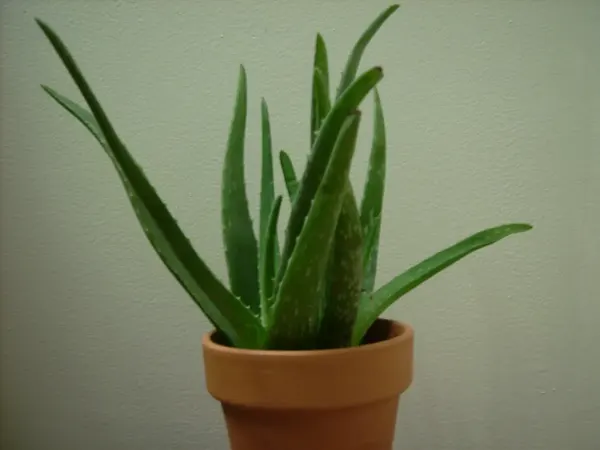 Succulents & cacti Aloe vera Aloe vera Full Sun Every 2 weeks
-
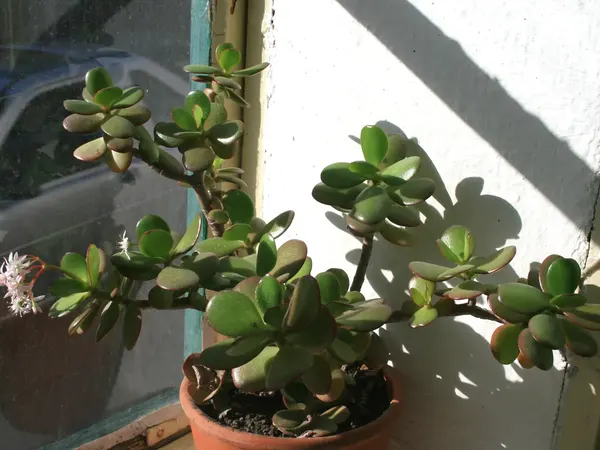 Succulents & cacti Jade plant Crassula ovata Partial Sun Every 2 weeks
-
Succulents & cacti String of hearts Ceropegia woodii Bright Indirect Every 2 weeks
-
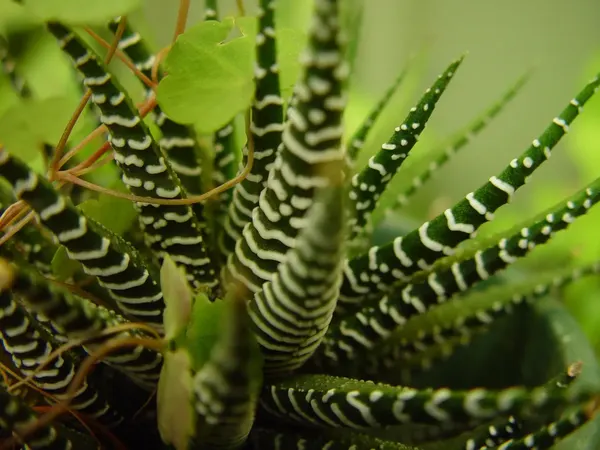 Succulents & cacti Zebra haworthia Haworthiopsis attenuata Bright Indirect Every 2 weeks