Greenie Get the app
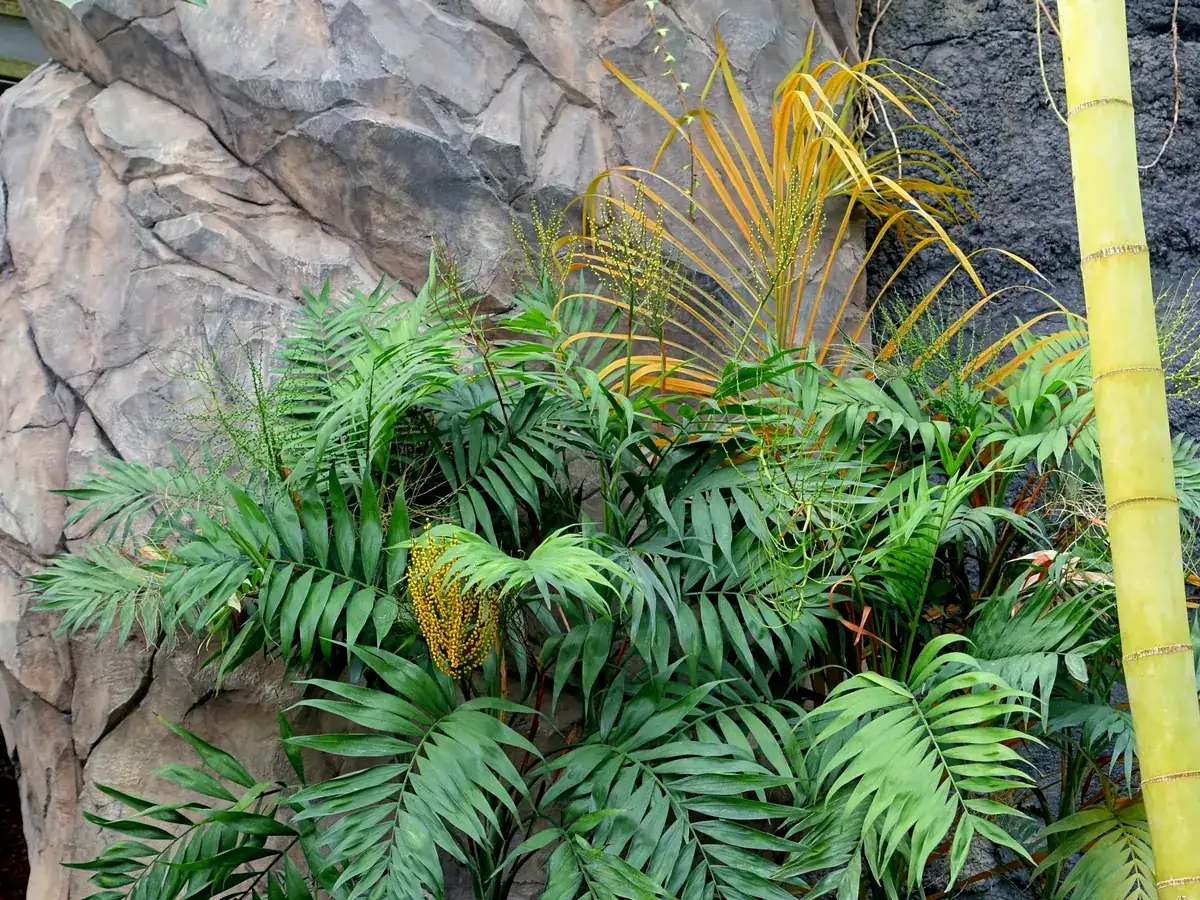
Parlor palm care
Chamaedorea elegans · Arecaceae
Also called Neanthe bella palm, Good luck palm, Dwarf mountain palm.
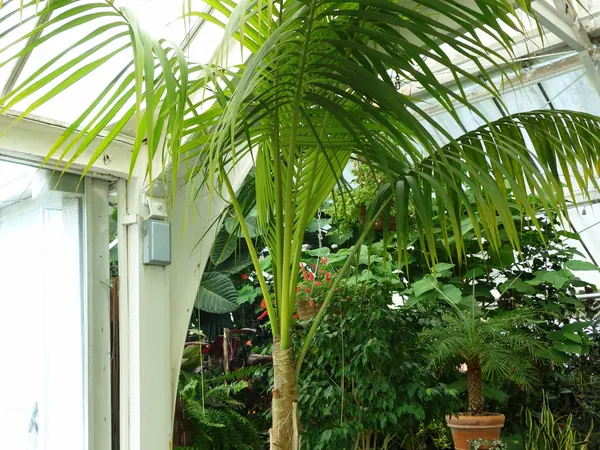
A small, slow-growing palm from the rainforest understory of southern Mexico and northern Central America, with arching fronds of narrow leaflets. It handles the lower light and drier air of most homes better than other palms and usually stays around 1 m tall indoors.
Light
Medium LightWatering
WeeklyDifficulty
EasyPets
Non-toxic to cats and dogsHeight indoors
0.6-1.2 m
Growth
Slow
Temperature
18-27 °C
Not below 16 °C
Humidity
40% - 60%
Average room humidity
Soil pH
5.5-7.0
Slightly acidic soil
Native to
- Mexico
- Guatemala
- Belize
- Honduras
Through the year
Water when the top 2 to 3 cm of soil are dry; in winter, let it dry a little more. Rainwater or filtered water is better than hard tap water.
-
Spring
WeeklyStart feeding and repot if roots fill the pot; small yellow flower sprays may appear.
-
Summer
WeeklyKeep the soil lightly moist and the plant out of hot sun.
-
Autumn
Every 2 weeksStop feeding and water a little less as growth slows.
-
Winter
Every 2 weeksKeep it above 13 °C, away from drafts and radiators, and water sparingly.
Feeding
Every 4 weeks in spring and summer. Balanced liquid fertilizer at half strength. Do not feed in winter.
Care tips
-
Keep it out of direct sun
Strong summer sun scorches the fronds; a spot near a north- or east-facing window works well.
-
Only remove whole fronds
Cut a frond at its base once it has browned; never cut the top of a stem, because it will not regrow.
-
Repot every other year
It likes a snug pot; move it up one size in spring.
-
Expect several stems per pot
Growers plant several seedlings together, and the weaker ones may die off over time.
Common problems
-
Brown leaf tips
What you seeLeaflet tips turn brown and crisp.
What to doWater before the soil dries out completely, raise the humidity a little and switch to rainwater if your tap water is hard.
-
Spider mites
What you seeFine webbing and pale speckles on the leaflets.
What to doShower the fronds, wipe them with a damp cloth and treat with insecticidal soap if mites persist.
-
Yellowing and root rot
What you seeLower fronds turn yellow and the base feels soft while the soil stays wet.
What to doLet the soil dry more between waterings and repot into a free-draining mix if it smells sour.
Pets
Is parlor palm safe for cats and dogs?
Non-toxic to cats and dogs. Listed by the ASPCA as non-toxic to cats and dogs.
Good to know
-
Each stem is a single trunk; the bushy look comes from several plants grown in one pot.
-
Male and female flowers grow on separate plants, so indoor palms rarely set their small black fruit.
-
The genus name joins the Greek words for on the ground and gift, because the fruit hangs within easy reach.